
Table of Contents
ToggleA toddlers guide can transform the chaotic years between ages 1 and 3 into a rewarding journey. These years bring rapid change, first steps, first words, and plenty of meltdowns. Parents often feel overwhelmed by the constant motion and unpredictable emotions. But understanding what’s normal during this stage makes everything easier.
This toddlers guide covers the essentials every caregiver needs. From developmental milestones to sleep schedules, nutrition tips to managing tantrums, the following sections provide practical advice. The goal? Help parents support their little ones while staying sane themselves.
Key Takeaways
- A toddlers guide helps parents understand that behaviors like tantrums and defiance are normal signs of healthy development between ages 1 and 3.
- Toddlers need 11-14 hours of sleep daily, including naps, and benefit from a consistent bedtime routine.
- Language development accelerates rapidly—most toddlers grow from saying 1-3 words at 12 months to speaking in short sentences by age 3.
- Preventing tantrums works better than managing them: keep snacks handy, maintain nap schedules, and give transition warnings.
- Play is the primary learning tool for toddlers, with sensory activities, pretend play, and physical movement all building essential skills.
- Follow your child’s interests and limit screen time to maximize engagement and learning during this critical developmental stage.
Understanding Toddler Development Milestones
Toddler development happens fast. Between ages 1 and 3, children transform from wobbly walkers into running, talking little people with strong opinions. A good toddlers guide starts with knowing what to expect.
Physical Milestones
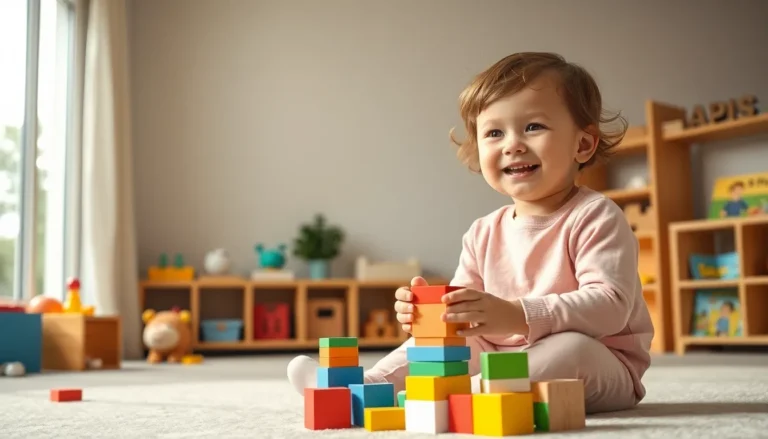
Most toddlers take their first independent steps around 12 months. By 18 months, they can walk steadily and may start climbing furniture (whether parents like it or not). At age 2, running becomes their preferred speed. Fine motor skills also improve, stacking blocks, scribbling with crayons, and feeding themselves become possible.
Language Development
Language growth during toddlerhood is remarkable. At 12 months, most children say 1-3 words. By 24 months, many toddlers use 50 or more words and combine two-word phrases like “more milk” or “daddy go.” By age 3, most children speak in short sentences and can hold basic conversations.
Social and Emotional Growth
Toddlers begin understanding emotions during this period. They recognize when others are happy or sad. Parallel play, playing alongside other children without direct interaction, starts around 18 months. True cooperative play typically begins closer to age 3.
Every child develops at their own pace. The toddlers guide milestones listed here represent averages. Parents should consult a pediatrician if they have concerns about delays, but minor variations are completely normal.
Managing Common Toddler Behaviors
Tantrums, defiance, and the word “no” become familiar during toddlerhood. These behaviors frustrate parents, but they’re actually signs of healthy development. This toddlers guide section explains why these behaviors happen and how to handle them.
Why Tantrums Happen
Toddlers experience big emotions but lack the language skills to express them. Frustration builds when they can’t communicate needs or when something doesn’t go their way. The result? Meltdowns. Hunger, tiredness, and overstimulation make tantrums more likely.
Strategies That Work
Staying calm during a tantrum is essential. Toddlers take cues from adult reactions. Acknowledge their feelings with simple words: “You’re upset because we can’t stay at the park.” This validation helps them feel understood.
Prevention works better than intervention. Keep snacks available, maintain regular nap times, and give warnings before transitions. Saying “five more minutes of play, then we leave” prepares toddlers for change.
Handling Defiance
The word “no” becomes a toddler’s favorite around age 2. This defiance signals growing independence, a positive development even though how annoying it feels. Offer limited choices to give toddlers a sense of control: “Do you want the red cup or the blue cup?” This approach reduces power struggles while maintaining boundaries.
Consistency matters. When parents set a rule, they should stick to it. Mixed messages confuse toddlers and lead to more testing behavior. Clear, consistent limits actually help children feel secure.
Nutrition and Sleep Essentials for Toddlers
Proper nutrition and adequate sleep form the foundation of toddler health. This toddlers guide covers what parents need to know about feeding and rest during ages 1 to 3.
Nutrition Guidelines
Toddlers need about 1,000 to 1,400 calories daily, depending on their size and activity level. Their diet should include proteins, whole grains, fruits, vegetables, and dairy. Iron-rich foods like lean meats, beans, and fortified cereals help prevent anemia, a common issue in this age group.
Picky eating peaks during toddlerhood. Parents shouldn’t panic. Offer a variety of healthy options without pressure. It can take 10-15 exposures to a new food before a child accepts it. Keep portions small, a toddler serving is about one-quarter of an adult portion.
Limit juice to 4 ounces daily. Water and milk are better choices. Whole milk is recommended until age 2: then parents can switch to lower-fat options.
Sleep Requirements
Toddlers need 11-14 hours of sleep per 24 hours, including naps. Most 1-year-olds take two naps: by 18 months, most transition to one afternoon nap. This toddlers guide recommends establishing a consistent bedtime routine, bath, books, and bed at the same time each night.
Sleep regressions happen around 18 months and again near age 2. New skills, separation anxiety, or schedule changes often trigger them. Maintaining the routine helps toddlers return to normal sleep patterns within a few weeks.
Encouraging Learning Through Play
Play is how toddlers learn about the world. Every game, toy interaction, and outdoor adventure builds brain connections. This toddlers guide emphasizes play as the primary learning tool for children ages 1 to 3.
Types of Play That Build Skills
Sensory play, activities involving touch, smell, sound, and sight, supports brain development. Water tables, play dough, and sand pits give toddlers chances to explore textures. These activities also improve fine motor control.
Pretend play emerges around 18 months. Toddlers might feed a stuffed animal or talk into a toy phone. This type of play develops imagination and social understanding. Parents can encourage it by providing simple props like dolls, toy kitchens, or dress-up clothes.
Physical play builds gross motor skills. Climbing, running, throwing balls, and dancing all count. Outdoor time gives toddlers space to move freely and burn energy.
How Parents Can Support Learning
Parents don’t need expensive toys or structured lessons. Simple activities work best. Reading together builds vocabulary and attention span. Narrating daily activities (“Now we’re putting on your shoes”) teaches language. Counting steps or sorting laundry by color introduces early math concepts.
Screen time should stay limited. The American Academy of Pediatrics recommends no more than one hour of quality programming daily for children ages 2 to 3. Children under 2 should avoid screens except for video calls.
The best toddlers guide advice? Follow the child’s interests. When toddlers choose what to explore, they stay engaged longer and learn more.