Table of Contents
ToggleLearning how to parent toddlers can feel like stepping into a whirlwind. One moment, they’re giggling at a sock puppet. The next, they’re screaming because their banana broke in half. Welcome to toddlerhood.
The toddler years, roughly ages one to three, bring massive developmental changes. Children learn to walk, talk, and assert their independence. They also test every boundary their parents set. This guide covers the key strategies for raising happy, healthy toddlers. Parents will find practical advice on development stages, communication, tantrums, routines, and play-based learning.
Key Takeaways
- Learning how to parent toddlers starts with understanding that tantrums and defiance are normal developmental signs, not bad behavior.
- Communicate with toddlers using short sentences, eye contact, and simple choices to reduce power struggles.
- Consistent daily routines for meals, naps, and bedtime help toddlers feel secure and reduce anxiety.
- Stay calm during tantrums by validating your toddler’s emotions first, then redirecting their attention.
- Play is the primary way toddlers learn—prioritize open-ended toys, reading together, and outdoor exploration.
- Set clear, age-appropriate boundaries and enforce them consistently to build trust and structure.
Understanding Toddler Development Stages
Toddler development happens fast. Children go from wobbly first steps to running, climbing, and jumping within months. Understanding these stages helps parents set realistic expectations.
Physical Development
Between 12 and 24 months, most toddlers master walking. They start climbing stairs, kicking balls, and stacking blocks. Fine motor skills improve too. Toddlers learn to hold crayons, turn pages, and feed themselves with a spoon.
By age two or three, they run with more confidence. They jump with both feet. They throw and catch balls (sometimes). Parents should provide safe spaces for active play during this stage.
Cognitive and Language Growth
Toddlers absorb language like sponges. At 12 months, most say a few words. By 24 months, many speak 50 or more words. By age three, toddlers often form simple sentences.
Cognitive development also accelerates. Toddlers learn cause and effect. They solve simple puzzles. They begin pretend play, feeding dolls, driving toy cars, cooking imaginary meals.
Social and Emotional Development
This is where things get interesting. Toddlers experience big emotions but lack the skills to manage them. They want independence but still need constant support. This tension creates the famous “terrible twos” behavior.
Parents who understand how to parent toddlers recognize this as normal development. Frustration, defiance, and meltdowns signal growth, not bad behavior.
Effective Communication With Your Toddler
Communication with toddlers requires patience and strategy. They understand more than they can say. This gap causes frustration on both sides.
Speak Simply and Clearly
Use short sentences. Say “Put your shoes on” instead of “We need to get your shoes on because we’re leaving soon.” Toddlers process one instruction at a time.
Get down to their eye level. Physical proximity and eye contact help toddlers focus on what parents are saying.
Give Choices
Toddlers crave control. Offering two acceptable options reduces power struggles. “Do you want the red cup or the blue cup?” works better than “What do you want to drink from?”
This approach lets toddlers feel powerful while parents maintain boundaries.
Name Their Emotions
Toddlers feel emotions intensely but can’t identify them. Parents can help by naming feelings: “You’re angry because we have to leave the park.” This builds emotional vocabulary over time.
Experts on how to parent toddlers emphasize this skill. Children who learn to name emotions handle them better as they grow.
Listen Actively
Even when toddlers babble or repeat themselves, parents should listen. Nodding, asking questions, and responding shows children their words matter. This builds confidence and communication skills.
Managing Tantrums and Big Emotions
Tantrums happen. Every toddler has them. Every parent dreads them, especially in public.
Understanding why tantrums occur helps parents respond calmly. Toddlers throw tantrums because they lack other tools. They can’t regulate emotions yet. They can’t express complex needs. Their brains are literally still developing.
Stay Calm
Parents set the emotional tone. Yelling at a screaming toddler escalates the situation. Taking deep breaths and speaking quietly helps children calm down faster.
This is easier said than done. But parents who master their own reactions handle toddler tantrums more effectively.
Validate Before Redirecting
Saying “I know you’re upset” acknowledges the toddler’s feelings. Dismissing emotions (“Stop crying, it’s not a big deal”) often intensifies tantrums.
After validation, parents can redirect attention. “Let’s go look at the birds outside” or “Should we read a book?” can shift focus.
Set Clear Limits
Validating feelings doesn’t mean giving in to demands. Parents can say, “I understand you want candy. The answer is still no.” Firm, kind boundaries teach toddlers that emotions are acceptable but certain behaviors aren’t.
Prevent When Possible
Many tantrums stem from hunger, tiredness, or overstimulation. Parents learning how to parent toddlers should watch for warning signs. A well-rested, fed toddler handles frustration better than an exhausted one.
Establishing Healthy Routines and Boundaries
Toddlers thrive on predictability. Consistent routines reduce anxiety and power struggles.
Create Daily Rhythms
Mealtimes, naptimes, and bedtimes should happen at roughly the same times each day. Toddlers feel secure when they know what comes next.
Morning and bedtime routines work especially well. A consistent sequence, bath, pajamas, brush teeth, story, bed, signals that sleep is coming. This reduces bedtime battles.
Set Age-Appropriate Boundaries
Toddlers need limits. But rules should match their developmental abilities. Expecting a two-year-old to sit still for an hour at a restaurant sets everyone up for failure.
Good boundaries are clear, consistent, and enforceable. “We don’t hit” is simple. “Be nice” is too vague for toddlers to understand.
Use Natural Consequences
When safe, let natural consequences teach lessons. A toddler who throws food loses the food. A toddler who refuses a jacket might feel cold outside (briefly). These experiences stick better than lectures.
Be Consistent
Inconsistency confuses toddlers. If jumping on the couch is allowed sometimes but not others, toddlers will keep testing. Parents who understand how to parent toddlers know that consistent responses, even when tired, pay off over time.
Encouraging Learning Through Play
Play is how toddlers learn. Everything. Motor skills, language, social behavior, problem-solving, it all happens through play.
Provide Open-Ended Toys
Blocks, play dough, crayons, and dress-up clothes spark creativity. These toys have no “right” way to play. Toddlers experiment, imagine, and create.
Expensive electronic toys often do the playing for children. Simple toys require toddlers to do the work themselves.
Follow Their Lead
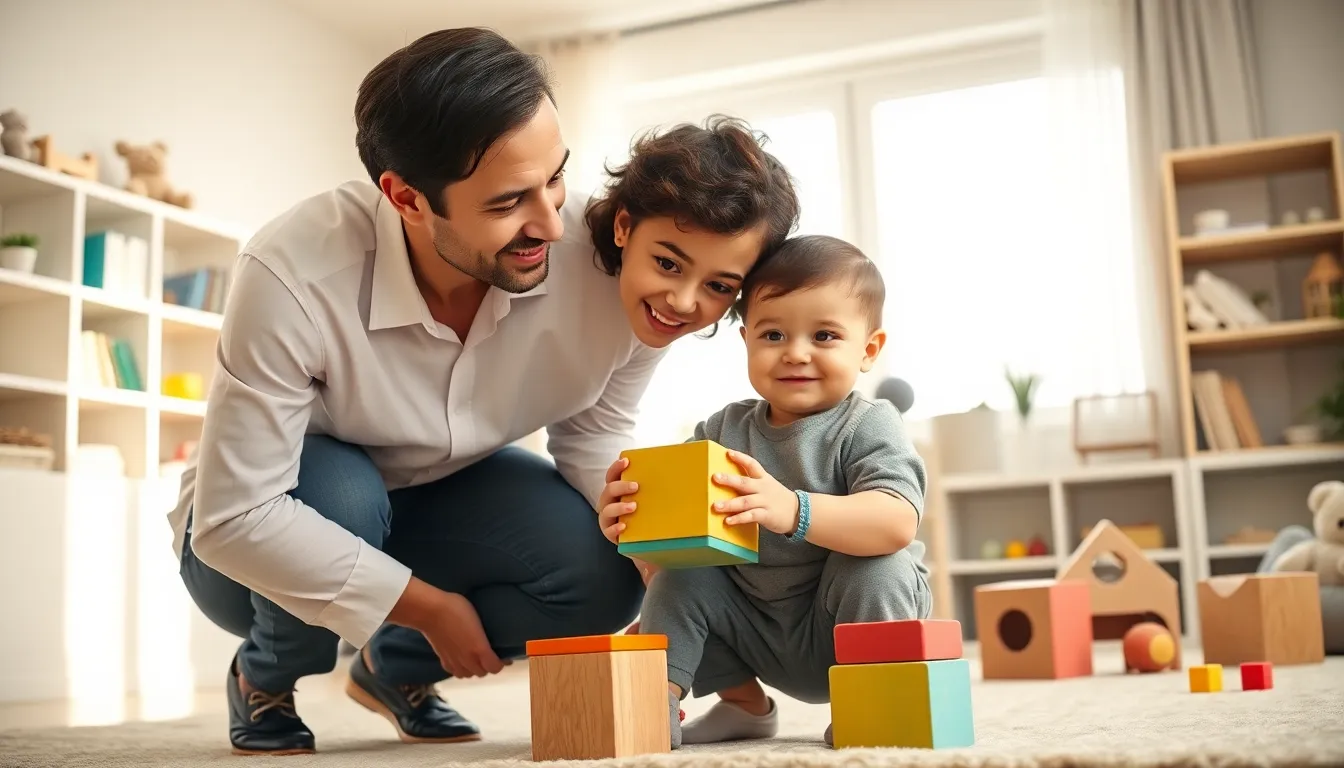
Parents don’t need to direct every activity. Sitting nearby while a toddler explores teaches independence. Joining their play on their terms builds connection.
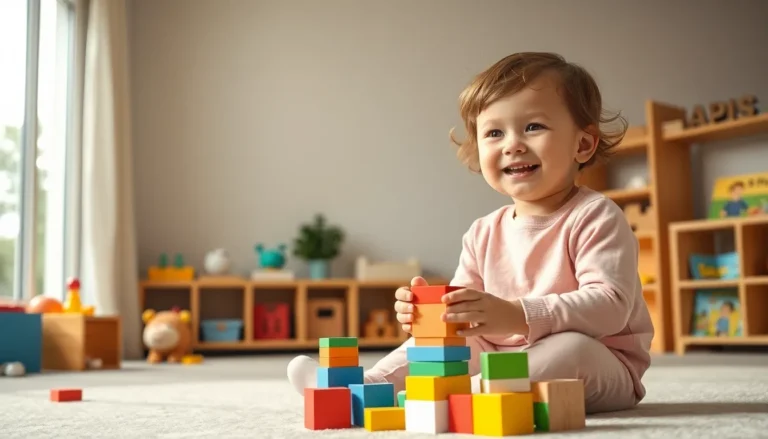
If a toddler stacks blocks into a tower, parents can stack alongside them. If a toddler pretends to cook, parents can “eat” the imaginary food. This responsive play strengthens bonds.
Read Together Daily
Reading to toddlers builds vocabulary, attention span, and pre-literacy skills. Board books with bright pictures work best for younger toddlers. Longer stories engage older ones.
Let toddlers hold books, turn pages, and point at pictures. Interactive reading keeps them engaged.
Get Outside
Outdoor play offers unique learning opportunities. Toddlers explore nature, develop gross motor skills, and burn energy. A simple walk around the block becomes an adventure when toddlers lead the way.
Parents learning how to parent toddlers should prioritize outdoor time. Fresh air benefits everyone’s mood.