Table of Contents
ToggleToddler examples help parents and caregivers recognize healthy development patterns. Children between ages one and three experience rapid changes in physical abilities, language skills, and emotional growth. These years shape how kids interact with the world around them. Understanding what typical toddler behavior looks like gives adults a framework for supporting young children. This guide covers concrete examples across key developmental areas, from first steps to first words and everything in between.
Key Takeaways
- Toddlers examples include walking, running, climbing, and developing fine motor skills like stacking blocks and using utensils between ages one and three.
- Language development in toddlers progresses from single words at 12 months to three-to-four-word sentences by age three.
- Tantrums, saying “no,” and testing boundaries are normal toddler behaviors that signal healthy brain development, not defiance.
- Toddlers learn primarily through play and imitation, so modeling positive behaviors helps support their cognitive growth.
- Every toddler develops at their own pace—some walk at 10 months while others wait until 15 months, and both timelines are normal.
- Adults can support toddler emotional development by naming feelings, staying calm during tantrums, and modeling healthy emotional expression.
What Defines the Toddler Stage
The toddler stage spans roughly 12 to 36 months of age. During this period, children transition from infancy into early childhood. They gain independence and start expressing their own preferences.
Several characteristics define toddlers:
- Mobility: They learn to walk, run, and climb
- Curiosity: They explore everything within reach
- Language emergence: They move from babbling to speaking words and phrases
- Emotional intensity: They experience big feelings with limited ability to regulate them
Toddler examples often include behaviors that challenge parents. Tantrums, saying “no” repeatedly, and testing boundaries are all normal. These actions signal healthy brain development rather than defiance.
Children at this age learn primarily through play and imitation. They watch adults closely and copy what they see. A toddler might pretend to talk on a phone or sweep the floor with a toy broom. Such imitation shows cognitive growth.
Every toddler develops at their own pace. Some walk at 10 months while others wait until 15 months. Both timelines fall within normal ranges. Parents should track progress without strict comparisons to other children.
Examples of Toddler Physical Development
Physical development in toddlers happens quickly. Their bodies grow stronger and more coordinated each month.
Gross Motor Skills
Gross motor skills involve large muscle movements. Toddler examples in this category include:
- Walking independently by 12-15 months
- Running with improved balance by 18-24 months
- Climbing stairs with support around 18 months
- Kicking a ball forward by age two
- Jumping with both feet leaving the ground by age three
A 14-month-old might toddle across a room, arms raised for balance. By 24 months, that same child could run, stop suddenly, and change direction. This progression shows typical physical growth.
Fine Motor Skills
Fine motor skills use smaller muscles in the hands and fingers. Toddlers practice these through daily activities:
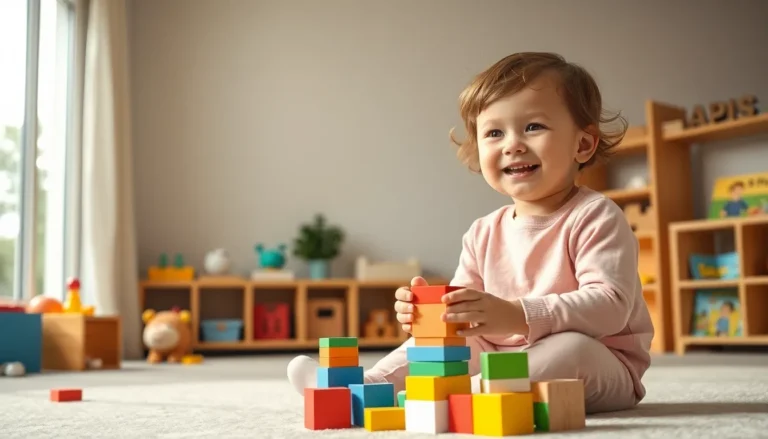
- Stacking two to four blocks around 15 months
- Scribbling with crayons by 18 months
- Turning pages in a book (several at a time) around 18 months
- Using a spoon to feed themselves by 18-24 months
- Building towers of six or more blocks by age three
These toddler examples demonstrate how small muscle control improves over time. A child who drops food constantly at 14 months may eat neatly with a fork by 30 months.
Parents can support physical development by providing safe spaces to move. Playgrounds, open rooms, and age-appropriate toys encourage practice. Activities like dancing, playing catch, and drawing all build important skills.
Examples of Toddler Language and Communication
Language development during the toddler years is remarkable. Children go from speaking single words to forming sentences.
Early Communication (12-18 Months)
Toddler examples at this stage include:
- Saying “mama” and “dada” with meaning
- Using 3-20 words by 18 months
- Pointing at objects they want
- Understanding simple commands like “give me the ball”
- Babbling with speech-like rhythm and tone
A 15-month-old might point to a dog and say “doh” while looking at a caregiver. This shows both vocabulary and communication intent.
Expanding Vocabulary (18-24 Months)
Between 18 and 24 months, most toddlers experience a “word explosion.” They may learn several new words each week. Toddler examples during this phase include:
- Vocabulary growing to 50-200 words
- Combining two words together (“more milk,” “daddy go”)
- Naming body parts when asked
- Following two-step directions
Advanced Language (24-36 Months)
Older toddlers show impressive communication skills:
- Speaking in three to four word sentences
- Asking “why” and “what” questions frequently
- Using pronouns like “I,” “me,” and “you”
- Strangers understanding about 75% of their speech by age three
These toddler examples vary widely among children. Some talk early and often. Others stay quiet longer before speaking in full sentences. Both patterns can indicate healthy development.
Caregivers boost language growth by talking throughout the day. Narrating activities, reading books, and responding to a child’s attempts at communication all help. Asking questions and waiting for responses teaches conversation skills.
Examples of Toddler Social and Emotional Behavior
Social and emotional development shapes how toddlers relate to others and handle feelings. This area often surprises parents with its intensity.
Common Social Behaviors
Toddler examples of social development include:
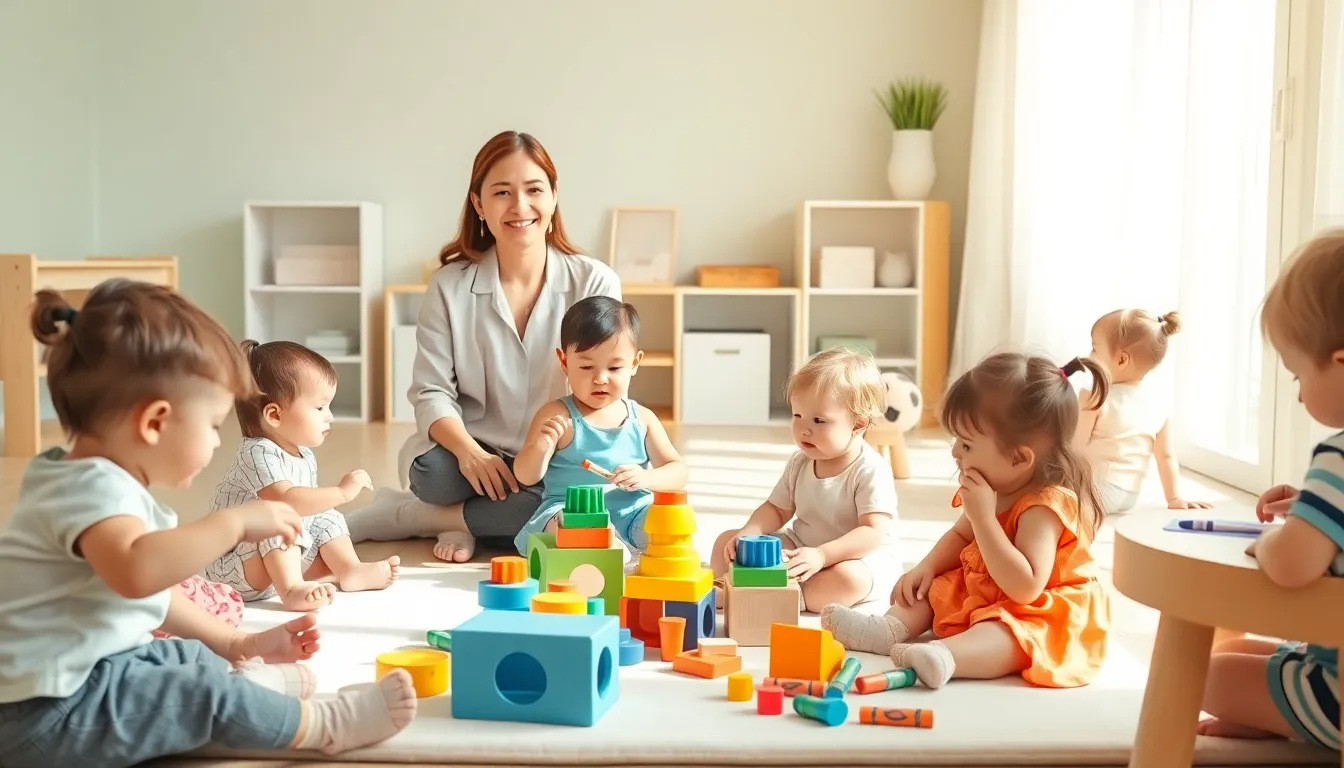
- Playing alongside other children (parallel play) rather than with them
- Showing possessiveness over toys and people
- Imitating adult activities like cooking or cleaning
- Seeking approval and praise from caregivers
- Beginning to share by age three, though inconsistently
A two-year-old at a playground might sit next to another child in the sandbox. They’ll play separately but stay aware of each other. True cooperative play develops later, around ages three to four.
Emotional Development
Toddlers feel emotions strongly but lack tools to manage them. Common toddler examples include:
- Tantrums when frustrated or overtired
- Separation anxiety when caregivers leave
- Fear of new situations or strangers
- Expressing affection through hugs and kisses
- Showing empathy by comforting a crying friend
A toddler who screams because their banana broke isn’t being dramatic. Their brain genuinely perceives this as a crisis. Emotional regulation develops slowly over the next several years.
Building Emotional Skills
Adults help toddlers build emotional intelligence by:
- Naming feelings (“You seem frustrated”)
- Staying calm during tantrums
- Offering comfort and security
- Teaching simple coping strategies like deep breaths
- Modeling healthy emotional expression
These toddler examples of social and emotional growth remind caregivers that behavior serves a purpose. Children aren’t misbehaving, they’re learning how to exist in a social world with limited skills.