
Table of Contents
ToggleToddlers represent one of the most fascinating and fast-paced stages of human development. Between ages one and three, children transform from dependent infants into curious, mobile, and increasingly independent individuals. This period brings rapid changes in physical abilities, language skills, and emotional expression. Parents and caregivers often find themselves amazed, and sometimes exhausted, by the sheer speed of these changes.
This guide covers the essential aspects of toddler development. It explains what defines the toddler stage, outlines key milestones, addresses common behavioral challenges, and offers practical strategies for supporting healthy growth. Whether someone is a first-time parent or an experienced caregiver, understanding toddlers helps build stronger connections and smoother daily routines.
Key Takeaways
- Toddlers experience rapid brain development between ages 1-3, forming up to one million neural connections per second during early childhood.
- Language skills in toddlers grow dramatically—from just a few words at 12 months to 200-1,000 words by age three.
- Tantrums are normal for toddlers because their prefrontal cortex, which controls impulse regulation, is still developing.
- Creating safe exploration spaces and establishing predictable routines help toddlers feel secure while supporting healthy development.
- Offering limited choices (like “red cup or blue cup”) satisfies a toddler’s need for autonomy without overwhelming them.
- Daily reading, active play, and empathetic responses to emotions build vocabulary, physical skills, and emotional intelligence in toddlers.
What Defines the Toddler Stage
The toddler stage spans roughly from 12 months to 36 months of age. This period gets its name from the characteristic “toddling” walk that children develop as they learn to move on two feet. But walking is just the beginning.
Toddlers experience dramatic brain development during this window. Neural connections form at an astonishing rate, up to one million new connections per second during early childhood. This brain growth powers everything from language acquisition to problem-solving abilities.
Several characteristics define toddlers during this stage:
- Increased mobility: Toddlers progress from unsteady first steps to running, climbing, and jumping.
- Emerging independence: The word “no” becomes a favorite as toddlers test boundaries and assert themselves.
- Rapid language growth: Vocabulary can expand from a handful of words to hundreds within months.
- Intense curiosity: Toddlers touch, taste, and explore everything they can reach.
- Big emotions: Feelings run strong, and toddlers often lack the skills to regulate them.
This stage marks a critical foundation period. The experiences toddlers have, both positive and challenging, shape their brain architecture and influence their future learning, behavior, and health.
Key Developmental Milestones
Physical Growth and Motor Skills
Toddlers grow at a slightly slower pace than infants, but physical changes remain significant. Most toddlers gain about 3-5 pounds per year and grow 3-5 inches in height annually during this stage.
Gross motor skills develop rapidly. By 18 months, most toddlers can walk independently. By age two, they typically run, kick balls, and climb stairs with support. Three-year-olds often pedal tricycles, throw balls overhand, and navigate playground equipment with growing confidence.
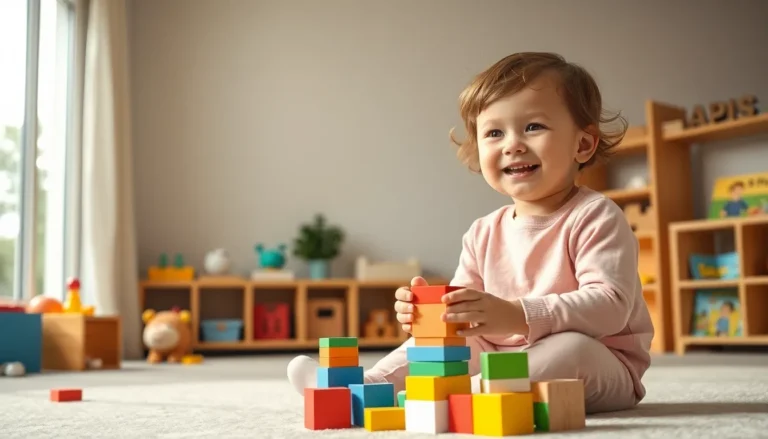
Fine motor skills also advance during the toddler years. Children progress from clumsy grasping to holding crayons, stacking blocks, and turning pages in books. These skills require coordination between small muscles, vision, and cognitive planning.
Physical milestones for toddlers include:
- Walking backward (around 15-18 months)
- Scribbling with crayons (around 18 months)
- Running with better coordination (around 2 years)
- Using utensils to eat (around 2-3 years)
- Jumping with both feet (around 2-3 years)
Language and Communication Development
Language development in toddlers follows a remarkable trajectory. At 12 months, most children say 1-3 words. By age two, vocabulary often reaches 50-100 words. Three-year-olds typically use 200-1,000 words and speak in sentences.
Toddlers understand language before they can produce it. A 15-month-old might follow simple instructions like “bring me the ball” even if they can only say a few words themselves.
Key language milestones include:
- Saying “mama” and “dada” with meaning (around 12 months)
- Pointing to objects they want (around 12-15 months)
- Combining two words like “more milk” (around 18-24 months)
- Asking simple questions (around 2-3 years)
- Using pronouns like “I” and “me” (around 2-3 years)
Conversation with toddlers builds their vocabulary and comprehension. Narrating daily activities, reading books, and responding to their attempts at communication all support language growth.
Common Behavioral Challenges and How to Navigate Them
Toddlers test limits. It’s part of their developmental job description. Understanding why certain behaviors occur helps caregivers respond effectively.
Tantrums rank among the most common toddler challenges. These emotional outbursts happen because toddlers experience intense feelings but lack the brain development to regulate them. The prefrontal cortex, responsible for impulse control, won’t fully mature until early adulthood.
Strategies for managing tantrums:
- Stay calm (easier said than done, but toddlers feed off adult emotions)
- Acknowledge their feelings: “You’re upset because you wanted the cookie”
- Remove them from overstimulating environments when possible
- Wait out the storm, sometimes toddlers just need to release big feelings
Hitting, biting, and pushing often emerge during the toddler stage. These behaviors typically stem from frustration, limited communication skills, or exploration of cause and effect. Toddlers don’t yet understand that their actions hurt others.
Responses that work:
- Remove the child from the situation immediately
- Use simple, firm language: “No hitting. Hitting hurts.”
- Teach alternative behaviors: “Use your words” or “Gentle touches”
- Model appropriate responses to frustration
Sleep resistance affects many toddler households. Toddlers often fight bedtime because they don’t want to miss anything or fear separation from caregivers.
Consistent bedtime routines help toddlers transition to sleep. A predictable sequence, bath, pajamas, stories, songs, signals that sleep time approaches and helps toddlers feel secure.
Supporting Your Toddler’s Growth
Toddlers thrive with consistent, responsive caregiving. Several evidence-based strategies support healthy development during this stage.
Create safe spaces for exploration. Toddlers learn through active exploration. Childproofing the home allows them to investigate safely without constant “no” responses. Low shelves with accessible toys, gated stairs, and secured furniture give toddlers freedom within safe boundaries.
Establish predictable routines. Toddlers feel secure when they know what comes next. Regular schedules for meals, naps, and activities reduce anxiety and power struggles. Flexibility matters too, rigid schedules create stress for everyone.
Offer limited choices. Toddlers crave autonomy but feel overwhelmed by too many options. “Do you want the red cup or the blue cup?” works better than “What do you want to drink from?” Limited choices satisfy their need for control while keeping decisions manageable.
Read together daily. Book reading with toddlers builds vocabulary, attention span, and bonding. Let toddlers hold books, turn pages, and point to pictures. Ask simple questions: “Where’s the dog?” or “What sound does the cow make?”
Allow plenty of active play. Toddlers need movement. Outdoor time, dancing, climbing, and running support physical development and help regulate behavior. A tired toddler who has burned energy sleeps better and experiences fewer meltdowns.
Respond to emotions with empathy. Toddlers feel things intensely. Validating their emotions, even difficult ones, helps them develop emotional intelligence. “I see you’re angry that we have to leave” acknowledges their experience without giving in to demands.