Table of Contents
ToggleFinding the best toddler products and activities can transform daily life for both children and caregivers. Toddlers grow rapidly between ages one and three. They develop motor skills, language abilities, and social awareness at an impressive pace. Parents and caregivers need reliable gear, engaging activities, and practical strategies to support this critical stage. This guide covers essential equipment, growth-promoting activities, safety considerations, and tips for common challenges. Each section offers actionable advice to help toddlers thrive while making caregiving more manageable.
Key Takeaways
- The best toddler gear—including convertible car seats, sturdy strollers, and low-profile beds—prioritizes safety, durability, and age-appropriate design.
- Toddlers need at least 180 minutes of physical activity daily, which can be spread across short bursts of play throughout the day.
- Reading, singing, and simple puzzles rank among the best toddler activities for building language, memory, and cognitive skills.
- Childproofing essentials include securing furniture to walls, installing outlet covers and cabinet locks, and storing small objects out of reach.
- Consistent routines, limited screen time before bed, and a dark, quiet sleep environment help reduce common toddler sleep struggles.
- When handling tantrums or picky eating, stay calm, acknowledge feelings, offer limited choices, and maintain consistent boundaries with empathy.
Essential Toddler Gear and Equipment
The best toddler gear combines safety, durability, and age-appropriate design. Smart equipment choices make daily routines smoother and keep little ones secure.
Strollers and Car Seats
A quality stroller remains one of the most-used items for toddler families. Look for models with adjustable recline positions, sturdy wheels, and easy folding mechanisms. Convertible car seats that grow with children from infancy through toddlerhood offer excellent value. The American Academy of Pediatrics recommends rear-facing car seats until age two or until the child reaches the seat’s height and weight limits.
High Chairs and Booster Seats
Mealtime equipment matters for toddler safety and independence. High chairs with removable trays, easy-clean surfaces, and secure harnesses work well for younger toddlers. As children approach age three, booster seats help them join family meals at the table. This transition builds social skills and encourages self-feeding.
Sleep Essentials
Toddlers typically transition from cribs to toddler beds between 18 months and three years. Signs of readiness include climbing attempts or outgrowing the crib’s height limits. The best toddler beds feature low profiles, guardrails, and firm mattresses. Sleep sacks designed for toddlers provide warmth without loose blanket hazards.
Footwear and Clothing
Toddlers need shoes with flexible soles, good traction, and secure closures. Velcro straps work better than laces for this age group. Clothing should allow free movement for crawling, climbing, and running. Elastic waistbands and snap closures simplify diaper changes and potty training.
Top Activities to Support Toddler Growth
The best toddler activities target multiple developmental areas simultaneously. Play serves as a toddler’s primary learning method, so choosing the right activities matters.
Physical Development Activities
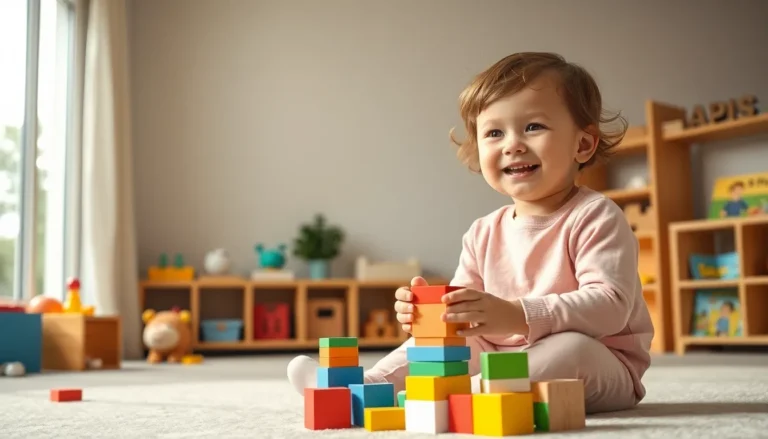
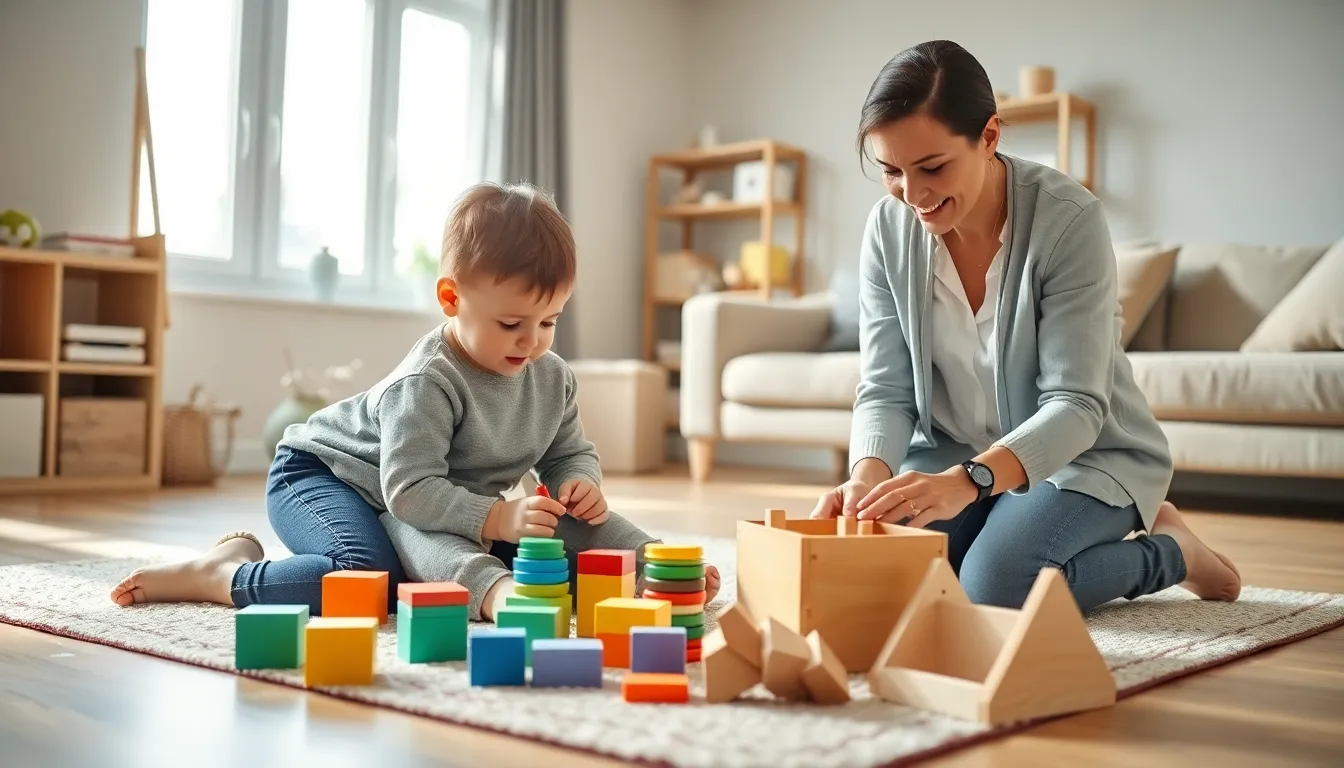
Gross motor skills develop through climbing, running, jumping, and dancing. Playground visits provide natural opportunities for physical challenges. Indoor options include tunnels, soft climbing structures, and dance parties. Fine motor skills improve through activities like stacking blocks, using crayons, and playing with playdough.
Toddlers benefit from at least 180 minutes of physical activity daily, according to the World Health Organization. This doesn’t need to happen all at once, short bursts throughout the day add up quickly.
Cognitive and Language Development
Reading remains one of the best toddler activities for language growth. Board books with simple stories, repetitive phrases, and colorful pictures capture attention. Toddlers enjoy pointing at pictures and naming objects. Singing songs, especially those with hand motions like “Itsy Bitsy Spider,” builds vocabulary and memory.
Simple puzzles with large knobs help toddlers understand shapes and spatial relationships. Sorting toys by color or size introduces early math concepts. Water play and sand play encourage exploration and cause-and-effect learning.
Social and Emotional Growth
Playdates and group activities teach toddlers about sharing, taking turns, and cooperation. These skills develop gradually, expect some conflict along the way. Pretend play emerges strongly during toddlerhood. Play kitchens, dolls, toy phones, and dress-up clothes support imagination and emotional processing.
Art projects offer emotional outlets even when the results look abstract. Process matters more than product at this age. Let toddlers experiment with finger paints, stamps, and collage materials without pressure to create specific outcomes.
Creating a Safe and Stimulating Environment
The best toddler environments balance safety with opportunities for exploration. Toddlers learn by touching, tasting, and testing everything within reach.
Childproofing Basics
Start with a thorough assessment of each room. Secure furniture to walls to prevent tip-overs, this remains one of the leading causes of toddler injuries at home. Install outlet covers, cabinet locks, and toilet latches. Gate off stairs and rooms with hazards.
Store medications, cleaning supplies, and small objects out of reach. Button batteries pose serious ingestion risks and require secure storage. Check toy labels for age recommendations and choking hazard warnings.
Designing Play Spaces
Toddlers thrive with designated play areas that contain age-appropriate toys. Rotate toys every few weeks to maintain interest without overwhelming the space. Low shelves allow independent access and encourage cleanup habits.
The best toddler play spaces include:
- Soft flooring or rugs for safe tumbles
- Natural lighting when possible
- Accessible books and art supplies
- Open floor space for active play
- Cozy corners for quiet time
Outdoor Safety
Backyard play requires supervision and preparation. Check playground equipment for hot surfaces, sharp edges, and proper installation. Apply sunscreen and provide shade during warm months. Fencing around pools and water features prevents drowning accidents.
Toddlers explore by putting things in their mouths. Remove toxic plants, mushrooms, and lawn chemicals from accessible areas. Supervise all outdoor play closely.
Tips for Managing Common Toddler Challenges
Even the best toddler care involves difficult moments. Knowing what to expect helps caregivers respond effectively.
Handling Tantrums
Tantrums peak between ages one and three. They occur because toddlers experience big emotions without the language or regulation skills to express them calmly. Stay calm yourself, toddlers pick up on adult stress.
Effective strategies include:
- Acknowledge feelings: “You’re upset because we have to leave the park.”
- Offer limited choices: “Do you want to wear the blue shirt or the red shirt?”
- Maintain consistent boundaries while showing empathy
- Ensure adequate sleep, food, and rest to reduce triggers
Ignoring attention-seeking behaviors often works better than lengthy explanations. Pick your battles wisely.
Sleep Struggles
Many toddlers resist bedtime or wake during the night. Consistent routines signal that sleep time approaches. A typical sequence might include bath, pajamas, teeth brushing, stories, and a song. Keep the routine short enough to complete even on busy nights.
The best toddler sleep environments stay dark, cool, and quiet. White noise machines help some children. Avoid screens for at least one hour before bed, as blue light interferes with natural sleep hormones.
Picky Eating
Toddlers often develop food preferences and aversions. This behavior frustrates caregivers but reflects normal development. Continue offering a variety of foods without forcing consumption. Research shows children may need 10-15 exposures to a new food before accepting it.
Serve small portions and let toddlers decide how much to eat. Family meals where everyone eats the same food encourage adventurous eating. Avoid using dessert as a reward, this strategy often backfires.