Table of Contents
ToggleToddlers tips can transform chaotic parenting moments into manageable ones. The toddler years, roughly ages one to three, bring rapid growth, fierce independence, and yes, plenty of meltdowns. Parents often feel unprepared for this stage, but understanding what drives toddler behavior makes a real difference.
This guide covers practical toddlers tips that work. From communication strategies to tantrum management, these approaches help parents build stronger connections with their little ones. The goal isn’t perfection. It’s progress, patience, and a few less power struggles at bedtime.
Key Takeaways
- Understanding toddler brain development helps parents set realistic expectations and respond to behavior more effectively.
- Effective toddlers tips for communication include getting on their level, using simple language, and offering choices to reduce power struggles.
- Tantrums are a normal part of toddler development—staying calm and avoiding reasoning during meltdowns leads to better outcomes.
- Consistent daily routines for sleep and meals provide security and reduce anxiety-driven behavior in toddlers.
- Encouraging independence through self-help skills and child-led play builds confidence and supports healthy development.
- Limiting screen time and prioritizing reading, outdoor play, and open-ended toys helps toddlers learn and grow.
Understanding Toddler Development and Behavior
Toddler behavior makes more sense once parents understand what’s happening in their child’s brain. Between ages one and three, children experience massive neurological growth. Their brains form over one million new neural connections every second during this period.
This rapid development explains why toddlers act the way they do. They want independence but lack the skills to achieve it. They feel big emotions but can’t regulate them yet. They’re learning language but get frustrated when words fail them.
Key Developmental Milestones
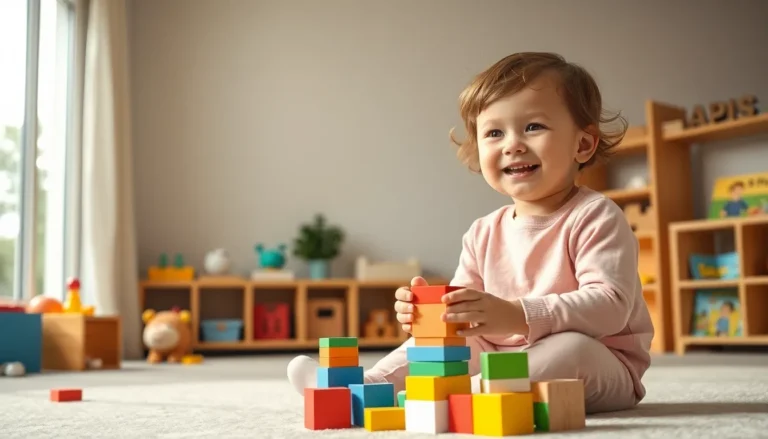
Physical development progresses quickly. Most toddlers walk by 15 months and run by age two. Fine motor skills develop too, they’ll start scribbling, stacking blocks, and feeding themselves.
Cognitive growth is equally impressive. Toddlers begin to understand cause and effect. They recognize themselves in mirrors. They start pretend play around 18 months.
Social and emotional development takes longer. Sharing feels impossible because toddlers are naturally egocentric. This isn’t selfishness, it’s developmentally appropriate behavior.
One of the best toddlers tips is to adjust expectations based on development. A two-year-old physically cannot control impulses the way adults do. Their prefrontal cortex, the brain region responsible for self-control, won’t fully develop until their mid-twenties.
Effective Communication Strategies for Toddlers
Communication with toddlers requires a different approach than talking to older children. These toddlers tips for communication can reduce frustration for everyone involved.
Get on Their Level
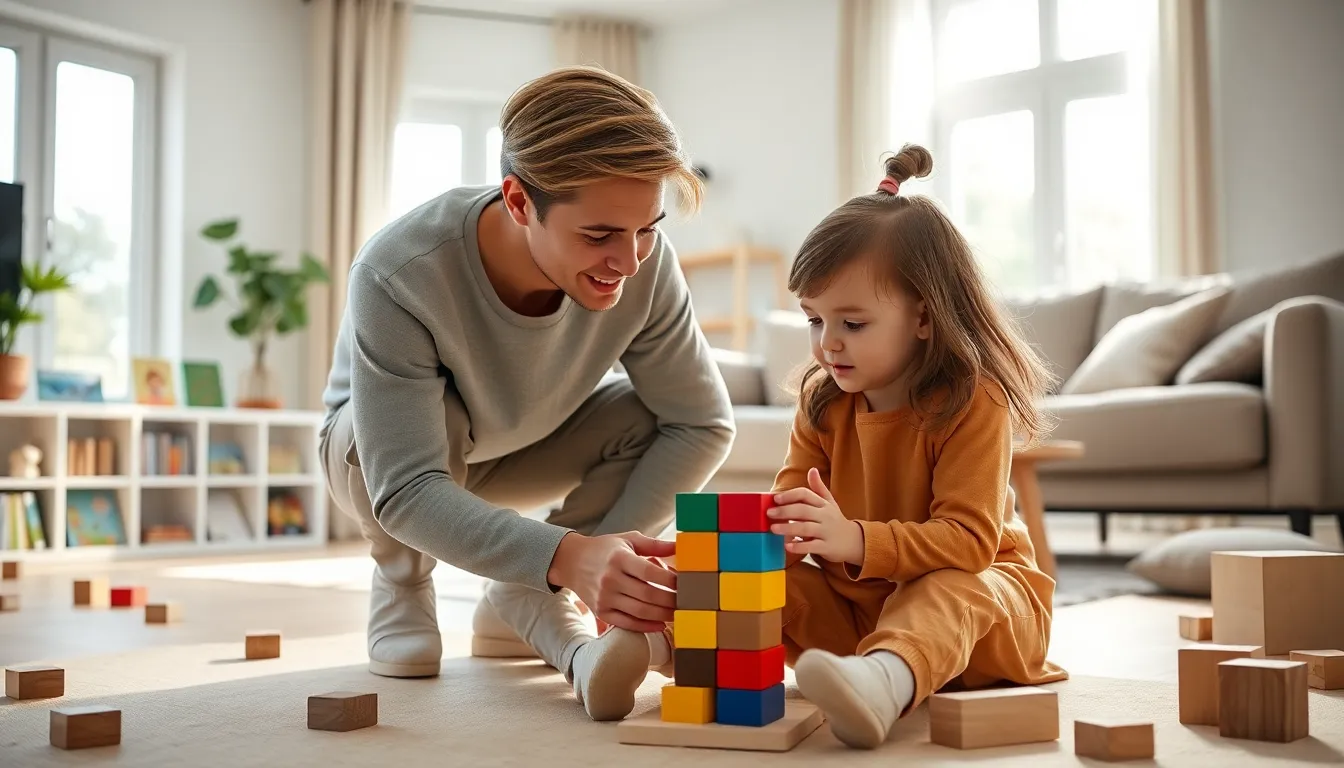
Physically crouch down to make eye contact. This simple action shows respect and helps toddlers focus on what’s being said. It also feels less intimidating than a towering adult giving instructions.
Use Simple, Clear Language
Keep sentences short. “Shoes on” works better than “We need to put your shoes on because we’re leaving soon and it’s cold outside.” Toddlers process language slowly. Fewer words mean better comprehension.
Offer Choices
Toddlers crave control. Offering two acceptable options gives them power while parents maintain boundaries. “Do you want the red cup or the blue cup?” prevents battles over whether to drink milk at all.
Name Emotions
Toddlers feel emotions intensely but don’t know what to call them. Parents can help by labeling feelings: “You seem frustrated that the block tower fell down.” This builds emotional vocabulary and helps children feel understood.
Wait for Processing Time
After giving an instruction, pause. Toddlers need 10-15 seconds to process language and formulate a response. Repeating instructions immediately only adds confusion.
These toddlers tips work best with consistency. Using the same phrases and approaches helps toddlers know what to expect.
Managing Tantrums and Big Emotions
Tantrums happen. They’re a normal part of toddler development, not a sign of bad parenting. Most toddlers have tantrums because their emotional regulation skills haven’t developed yet.
Why Tantrums Occur
Common triggers include hunger, tiredness, overstimulation, and frustration. Toddlers also tantrum when they want something they can’t have or can’t communicate their needs effectively.
The key toddlers tips for tantrums focus on prevention and response.
Prevention Strategies
- Maintain consistent sleep and meal schedules
- Recognize early warning signs like whining or clinginess
- Avoid situations that consistently trigger meltdowns
- Give transition warnings before changing activities
During the Tantrum
Stay calm. Toddlers mirror adult emotions, so an angry response escalates the situation. Speak in a low, steady voice. Some children want physical comfort during tantrums: others need space. Parents learn what works for their specific child.
Don’t try to reason with a tantruming toddler. Logic doesn’t work when the emotional brain has taken over. Wait until the storm passes before discussing what happened.
After the Tantrum
Reconnect with physical affection. Talk briefly about what happened and the feeling behind it. Avoid lectures, toddlers won’t remember them anyway.
These toddlers tips won’t eliminate tantrums entirely. But they can reduce frequency and help parents respond effectively.
Establishing Healthy Routines and Boundaries
Routines provide security for toddlers. Predictable schedules help them understand what comes next, which reduces anxiety and power struggles.
Building Daily Routines
Morning and bedtime routines matter most. A consistent bedtime routine, bath, pajamas, books, songs, signals that sleep is coming. Most toddlers need 11-14 hours of sleep per day, including naps.
Meal routines also help. Eating at regular times prevents the hunger-related meltdowns that derail so many afternoons.
Setting Boundaries
Toddlers need boundaries, even when they protest them. Clear limits help children feel safe. The best toddlers tips for boundaries include:
- Be consistent. If jumping on the couch isn’t allowed today, it shouldn’t be allowed tomorrow.
- State rules positively. “Feet on the floor” works better than “Don’t jump.”
- Follow through. Empty threats teach toddlers that rules don’t matter.
- Pick battles wisely. Not everything deserves a firm boundary.
Natural Consequences
Whenever safe and appropriate, let natural consequences teach lessons. A toddler who throws food loses the food. A child who refuses a jacket gets cold. These experiences teach cause and effect more effectively than lectures.
These toddlers tips create structure without rigidity. Flexibility matters too, sometimes routines need to bend for special occasions or unusual circumstances.
Encouraging Independence and Learning Through Play
Toddlers desperately want to do things themselves. Smart parents channel this drive into productive independence rather than fighting it.
Foster Self-Help Skills
Let toddlers try tasks themselves, even when it takes longer. Putting on shoes, feeding themselves, and washing hands build confidence and motor skills. Expect messes. They’re part of learning.
Create an environment that supports independence. Low hooks for coats, step stools at sinks, and child-sized furniture let toddlers succeed without constant adult help.
The Power of Play
Play is how toddlers learn. It’s not a break from learning, it IS learning. The best toddlers tips emphasize unstructured, child-led play.
Open-ended toys like blocks, play dough, and art supplies encourage creativity more than electronic toys with predetermined outcomes. Outdoor play develops gross motor skills and burns energy.
Reading and Language Development
Read to toddlers daily. Picture books build vocabulary, attention span, and pre-literacy skills. Let toddlers choose books and turn pages. Ask questions about pictures.
Singing songs and nursery rhymes also supports language development. The repetition and rhythm help toddlers learn new words.
Limit Screen Time
The American Academy of Pediatrics recommends limiting screen time for toddlers. High-quality educational content in small doses can be fine, but it shouldn’t replace active play or human interaction.
These toddlers tips support healthy development while respecting a toddler’s growing need for autonomy.