Table of Contents
ToggleToddler trends 2026 are shaping how parents approach early childhood development. From outdoor play to screen-free toys, this year brings fresh ideas that prioritize hands-on learning and emotional growth. Parents want practical solutions that work, not passing fads. This guide covers the top toddler trends 2026 has to offer, helping families make smart choices for their little ones. Whether it’s eco-friendly products or Montessori methods, these trends reflect what modern parents actually care about.
Key Takeaways
- Toddler trends 2026 prioritize hands-on learning, emotional growth, and eco-friendly choices over passing fads.
- Nature-based play improves motor skills, creativity, and behavior—aim for at least 60 minutes of outdoor time daily.
- Screen-free toys like wooden puzzles, building blocks, and sensory kits support cognitive development better than digital alternatives.
- Sustainable products such as organic clothing, wooden toys, and cloth diapers protect both children and the environment.
- Social-emotional learning helps toddlers identify and manage feelings, building a foundation for lifelong success.
- Montessori-inspired approaches like toy rotation, child-sized furniture, and practical life activities encourage independence and focus.
Nature-Based Play and Outdoor Learning
Nature-based play has become one of the defining toddler trends 2026 parents are embracing. Research shows that outdoor time improves motor skills, boosts creativity, and reduces behavioral issues in young children. Parents are trading screen time for dirt, sticks, and puddles.
Forest schools and outdoor playgroups have grown rapidly across the United States. These programs let toddlers explore natural environments with minimal structure. Kids climb logs, collect leaves, and observe insects. The focus is sensory experience over formal instruction.
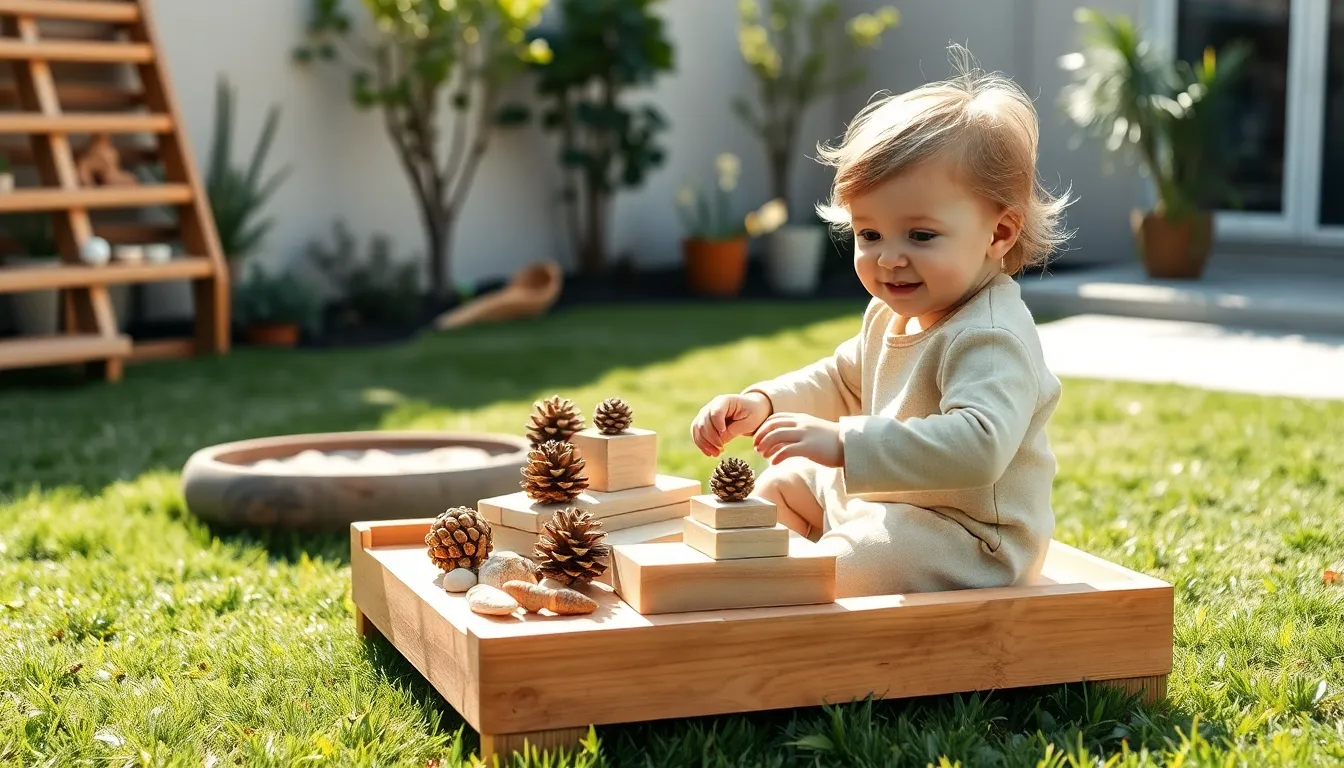
Backyard play has also evolved. Parents are creating nature corners with sand pits, water tables, and simple gardens. Loose parts like pinecones, shells, and wooden blocks encourage open-ended play. These materials don’t require batteries or instructions, just imagination.
The science backs this up. Studies from the American Academy of Pediatrics recommend at least 60 minutes of unstructured outdoor play daily for toddlers. Nature exposure supports immune function, sleep quality, and attention span. It’s free, accessible, and effective.
Even urban families are finding ways to participate. City parks, community gardens, and rooftop green spaces offer opportunities for outdoor learning. The key is regular exposure to natural elements, regardless of location.
Screen-Free Educational Toys and Activities
Screen-free toys dominate the toddler trends 2026 market. Parents increasingly question how much technology young children need. The answer, according to child development experts, is: not much.
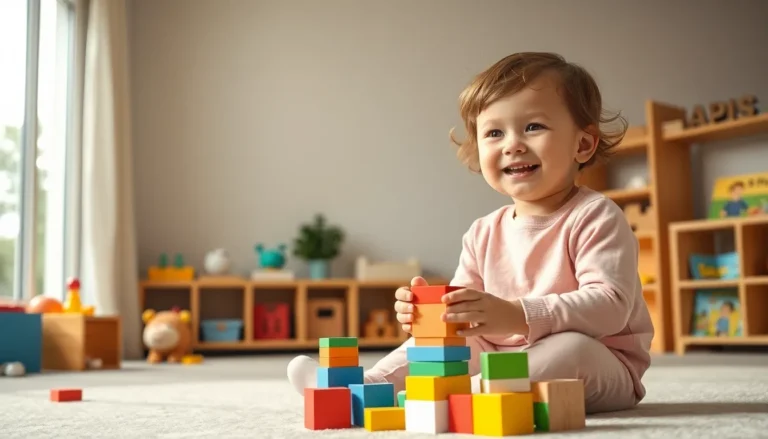
Wooden puzzles, building blocks, and stacking toys have made a strong comeback. These classics develop fine motor skills, spatial reasoning, and problem-solving abilities. They also last longer than plastic alternatives and can be passed between siblings.
Sensory play kits are another popular choice. Kinetic sand, water beads, and playdough offer tactile experiences that screens can’t replicate. Toddlers learn through touch, smell, and manipulation. These activities build neural pathways essential for later learning.
Music and movement toys also rank high. Drums, xylophones, and shakers help toddlers explore rhythm and sound. Dancing and singing together strengthen parent-child bonds while developing coordination.
The push away from screens reflects growing concern about toddler screen time. The World Health Organization recommends no screen time for children under two. For ages two to four, they suggest limiting it to one hour daily. Many parents are choosing zero-screen approaches for as long as possible.
This shift doesn’t mean technology is bad. It means parents recognize that toddlers learn best through physical interaction with their environment and caregivers.
Sustainable and Eco-Friendly Toddler Products
Sustainability shapes major toddler trends 2026. Parents are choosing products that protect both their children and the planet. This means organic materials, non-toxic finishes, and minimal packaging.
Organic cotton clothing has become standard for many families. It’s softer on sensitive skin and free from harmful pesticides. Brands now offer affordable organic options at mainstream retailers.
Wooden toys made from sustainably harvested forests are replacing plastic alternatives. These toys use natural dyes and food-safe finishes. They’re durable enough to survive rough toddler play and biodegradable when they finally wear out.
Cloth diapers have surged in popularity. Modern designs feature snap closures and absorbent inserts that make them nearly as convenient as disposables. Families save money over time while reducing landfill waste.
Secondhand shopping has lost its stigma. Parents actively seek pre-owned clothing, toys, and gear. Consignment shops, online marketplaces, and community swap events make finding quality used items easy.
Glass and stainless steel have replaced plastic for bottles, cups, and food storage. These materials don’t leach chemicals and last for years. Parents view this switch as an investment in long-term health.
The eco-friendly movement extends to birthday parties and holidays. Families choose experiences over physical gifts. When they do give presents, they prioritize quality over quantity.
Social-Emotional Learning for Early Development
Social-emotional learning represents one of the most significant toddler trends 2026 has brought forward. Parents recognize that emotional intelligence matters as much as cognitive development. Teaching toddlers to identify and manage feelings builds a foundation for lifelong success.
Books about emotions have flooded the children’s market. Titles featuring characters who experience anger, sadness, fear, and joy help toddlers build emotional vocabulary. Reading together creates opportunities to discuss feelings in safe, structured ways.
Emotion charts and feeling wheels have become common in homes and daycare centers. Toddlers point to faces that match their current state. This simple practice builds self-awareness and communication skills.
Breathing exercises adapted for young children teach basic regulation techniques. “Smell the flower, blow out the candle” gives toddlers a concrete way to calm themselves. These skills reduce tantrums and improve cooperation.
Parents are also modeling emotional expression more openly. They name their own feelings out loud: “I feel frustrated because the car won’t start.” This shows toddlers that emotions are normal and manageable.
Playdates and group activities focus on sharing, taking turns, and conflict resolution. Adults guide these interactions rather than solving every problem. Toddlers learn through practice, not lectures.
The emphasis on social-emotional skills reflects broader cultural shifts. Parents want children who can connect with others, handle disappointment, and advocate for themselves.
Minimalist and Montessori-Inspired Approaches
Minimalism and Montessori principles drive key toddler trends 2026. Parents are simplifying environments and trusting children to learn through independent exploration.
Toy rotation has become widespread practice. Families keep only a few toys accessible at a time, storing the rest. This reduces overwhelm and increases engagement with each item. When toys rotate back in, they feel fresh and exciting again.
Montessori-inspired furniture fills toddler spaces. Low shelves, child-sized tables, and floor beds give young children independence. They can access their belongings, choose activities, and move freely without adult help.
Practical life activities have entered mainstream parenting. Toddlers help with real household tasks like pouring water, folding washcloths, and sorting laundry. These activities build concentration, coordination, and confidence.
Open-ended materials replace character-branded toys. Simple blocks, scarves, and baskets become whatever a child imagines. This approach encourages creativity over passive entertainment.
Parents are also reducing visual clutter. Neutral colors, organized spaces, and limited wall decorations create calm environments. Research suggests that overstimulating spaces can increase stress and reduce focus.
The Montessori philosophy emphasizes observation. Parents watch what interests their toddler and provide relevant materials. They follow the child’s lead rather than imposing adult agendas.
These toddler trends 2026 promote respect for young children as capable learners. Less stuff and more autonomy lead to better outcomes.