Table of Contents
ToggleToddlers vs. preschoolers, what’s the real difference? Parents often use these terms interchangeably, but the gap between them is significant. A toddler at 18 months and a preschooler at 4 years old occupy very different worlds. Their bodies move differently. Their brains process information in distinct ways. Their social needs shift dramatically.
Understanding these differences helps parents set realistic expectations and provide age-appropriate support. This guide breaks down the key distinctions between toddlers and preschoolers across five critical areas: age ranges, physical development, cognitive skills, social-emotional growth, and parenting strategies.
Key Takeaways
- Toddlers (ages 1–3) and preschoolers (ages 3–5) differ significantly in physical abilities, cognitive skills, and emotional regulation.
- When comparing toddlers vs preschoolers, the biggest gaps appear in language development—toddlers use 2-word phrases while preschoolers speak in full sentences and ask complex questions.
- Emotional regulation is a major distinction: toddlers experience intense emotions without coping tools, while preschoolers can use words and wait short periods.
- Toddlers engage in parallel play alongside other children, whereas preschoolers participate in cooperative play with shared goals and negotiated rules.
- Parenting strategies must adapt—toddlers respond best to redirection and prevention, while preschoolers can understand reasoning and natural consequences.
- The transition from toddler to preschooler varies by child, with some showing advanced skills earlier and others developing at their own pace.
Age Ranges and Developmental Stages
The toddler stage spans from 12 months to 36 months (1 to 3 years old). The preschool stage covers ages 3 to 5 years. These aren’t arbitrary cutoffs, they reflect genuine shifts in how children think, move, and interact.
Toddlers are still mastering basic skills. They’re learning to walk steadily, say their first words, and understand that they exist as separate beings from their parents. Everything feels new. Their world expands rapidly, but their ability to process it all lags behind.
Preschoolers have a foundation. They can run, jump, and climb with confidence. They speak in sentences. They understand routines and can anticipate what comes next. The shift from toddler to preschooler isn’t just about age, it’s about capability.
Many parents wonder exactly when toddlers vs. preschoolers transition happens. The truth? It varies by child. Some kids show preschool-level skills at 2.5 years. Others still act like toddlers well past their third birthday. Development isn’t linear, and that’s perfectly normal.
Physical Development Differences
Toddlers walk. Preschoolers run, skip, and hop on one foot. The contrast in physical abilities between these two groups is striking.
Gross Motor Skills
Toddlers are still perfecting their balance. They walk with a wide stance, arms out for stability. Climbing stairs requires holding onto something. Running looks more like fast walking with frequent tumbles.
Preschoolers move with purpose. They can kick a ball with aim. They ride tricycles. They catch large balls and throw with some accuracy. Their bodies have caught up with their desires to move.
Fine Motor Skills
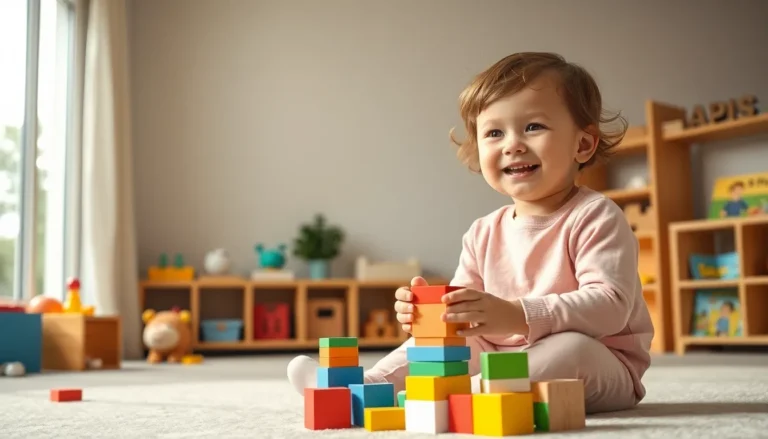
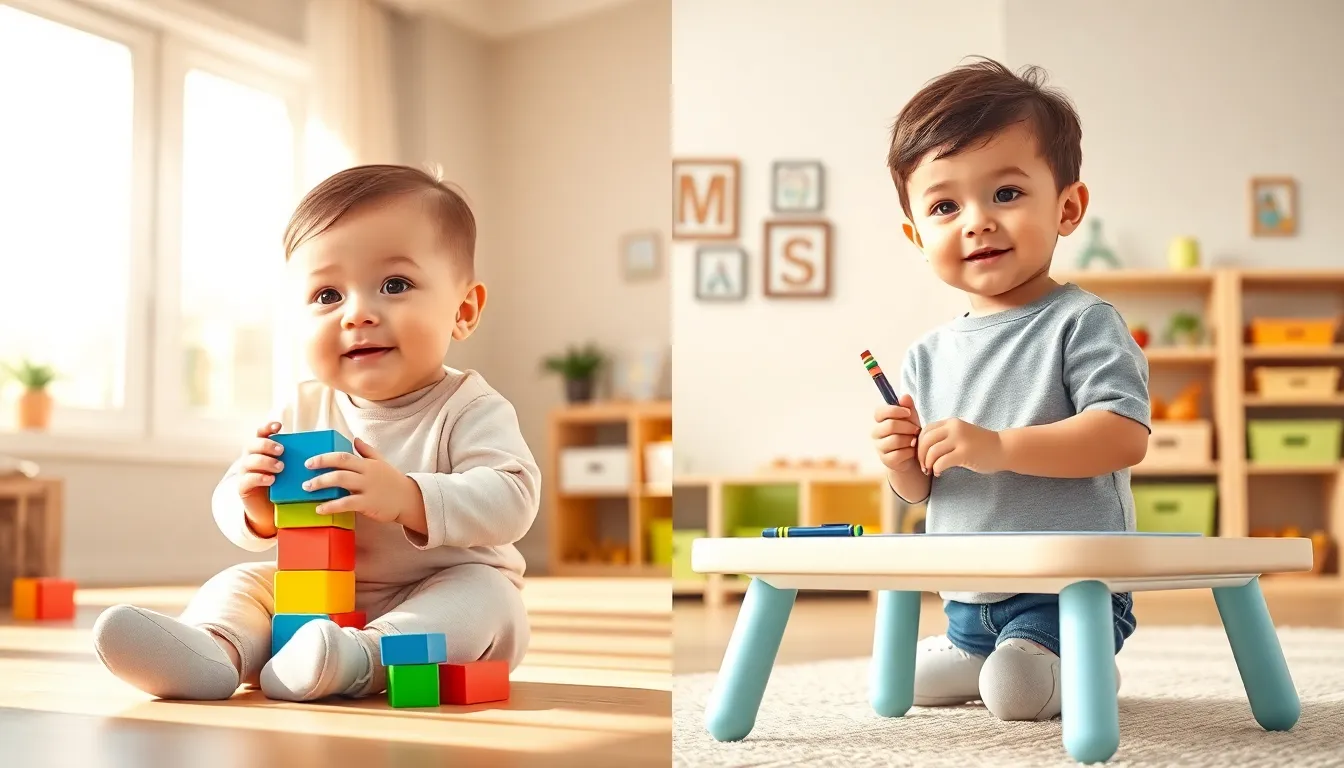
The differences in hand control are equally dramatic. Toddlers grasp crayons in their fists and make scribbles. They stack a few blocks before knocking them down. Feeding themselves with a spoon involves significant mess.
Preschoolers hold crayons with a tripod grip. They draw recognizable shapes, circles, squares, maybe even a person with arms and legs. They use scissors, button large buttons, and pour from a small pitcher. These fine motor gains set the stage for writing skills.
Parents comparing toddlers vs. preschoolers often notice the independence gap most clearly during mealtimes and dressing. A preschooler can put on their own shoes. A toddler? They’re still figuring out which foot goes where.
Cognitive and Language Skills
The cognitive leap from toddlerhood to preschool is massive. Toddlers think concretely. Preschoolers begin abstract reasoning.
Language Development
Toddlers typically have vocabularies of 50 to 200 words by age 2. They combine two words at a time: “more milk,” “daddy go,” “big truck.” Pronunciation is often unclear to anyone outside the family.
Preschoolers use sentences of five or more words. They tell stories (sometimes long, rambling ones). Strangers can understand most of what they say. They ask “why” constantly, and they actually want answers.
Thinking and Problem-Solving
Toddlers learn through trial and error. If something doesn’t work, they try again or give up. They live completely in the present moment.
Preschoolers plan ahead. They can think through problems before acting. They understand cause and effect. “If I share my toy, my friend will be happy” represents sophisticated reasoning that toddlers simply can’t access.
Memory differences also stand out in toddlers vs. preschoolers. Toddlers forget quickly. Preschoolers remember events from weeks or months ago. They can follow multi-step instructions without needing constant reminders.
Imagination and Play
Toddler play is exploratory, banging, stacking, dumping. Preschooler play is creative. They invent scenarios, assign roles, and create elaborate pretend worlds. A cardboard box becomes a spaceship. A stick becomes a magic wand.
Social and Emotional Growth
Emotional regulation separates toddlers vs. preschoolers more than almost any other factor.
Toddler Emotions
Toddlers feel emotions intensely but can’t manage them. A broken cracker triggers genuine devastation. Frustration leads to hitting, biting, or throwing. They don’t have tantrums to manipulate, they have tantrums because their brains aren’t developed enough to cope any other way.
Sharing is nearly impossible. Toddlers are egocentric by design. They can’t yet understand that other people have different feelings and perspectives.
Preschooler Emotions
Preschoolers still have big feelings, but they’ve developed some coping tools. They can use words to express frustration (at least sometimes). They can wait for short periods. They understand taking turns, even if they don’t always like it.
Empathy emerges during the preschool years. A preschooler might comfort a crying friend or share a toy voluntarily. They recognize facial expressions and can name basic emotions in themselves and others.
Social Play Patterns
Toddlers engage in parallel play, sitting beside another child but playing independently. Direct interaction often ends in conflict over toys.
Preschoolers engage in cooperative play. They create games together, negotiate rules, and work toward shared goals. Friendships become meaningful, and social hierarchies begin forming.
Parenting Approaches for Each Stage
Effective parenting looks different for toddlers vs. preschoolers. Strategies that work beautifully for one age group fall flat for the other.
Discipline Strategies
With toddlers, prevention works better than correction. Childproofing the environment reduces conflicts. Redirection handles most behavioral issues. Logical consequences don’t work, toddlers can’t connect actions to outcomes that happen later.
With preschoolers, reasoning becomes possible. Parents can explain why behavior is wrong. Natural consequences start making sense. Time-outs (used correctly) can be effective because preschoolers understand the connection between behavior and response.
Communication Approaches
Talk to toddlers in simple, concrete terms. “Shoes on” works better than “It’s time to get ready to go outside.” Give one instruction at a time. Use gestures and facial expressions to reinforce words.
Preschoolers handle more complexity. Parents can explain reasons, discuss feelings, and have actual conversations. They can follow two or three-step directions. Abstract concepts like “later” and “tomorrow” finally have meaning.
Building Independence
Toddlers need constant supervision. Their desire for independence far exceeds their ability to be safe. Smart parents offer controlled choices: “Red cup or blue cup?” This satisfies the need for autonomy without creating danger.
Preschoolers can handle real responsibility. They can complete simple chores, choose their own outfits, and manage some self-care tasks. Parents can step back and let them try, and fail, in low-stakes situations.