
Table of Contents
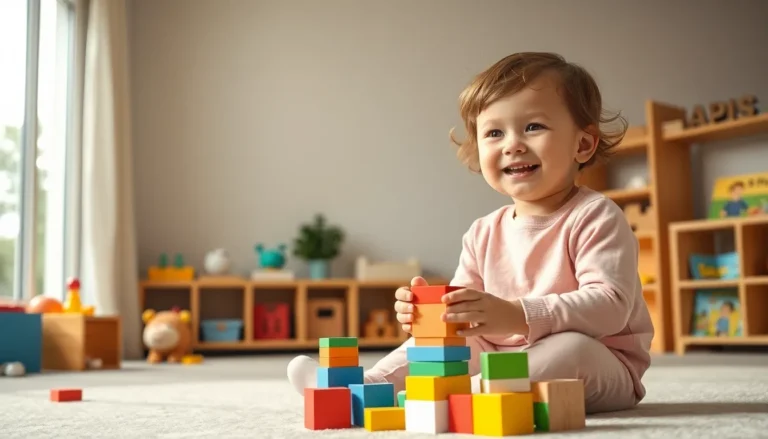
ToggleWhat is a toddler? This question crosses the minds of many parents, caregivers, and educators. A toddler is a child between the ages of 1 and 3 years old. This stage marks a period of rapid growth, increased independence, and significant developmental changes.
Toddlers are curious, energetic, and constantly learning about their environment. They begin to walk, talk, and express their personalities in new ways. Understanding what defines a toddler helps parents and caregivers provide better support during this critical phase of childhood.
Key Takeaways
- A toddler is a child between 1 and 3 years old, transitioning from infancy to early childhood with rapid brain development forming over 1 million neural connections per second.
- Toddlers develop key physical milestones like walking, running, and climbing while improving fine motor skills such as stacking blocks and holding crayons.
- Language skills accelerate dramatically during toddlerhood, with most children speaking 50+ words by age 2 and forming sentences by age 3.
- Common toddler behaviors like tantrums, boundary-testing, and separation anxiety reflect normal emotional development rather than defiance.
- Support your toddler’s growth by reading daily, establishing consistent routines, encouraging safe independence, and limiting screen time to one hour or less.
Age Range and Definition of Toddlers
A toddler is a child aged 1 to 3 years old. The term comes from the word “toddle,” which describes the unsteady walking style typical of children in this age group. Toddlers have moved past infancy but haven’t yet reached the preschool stage.
Most pediatricians and child development experts agree on this age range. But, some definitions extend toddlerhood slightly past the third birthday. The American Academy of Pediatrics considers toddlers to be children between 12 and 36 months old.
During this period, children transition from being completely dependent babies to more independent young children. They start to feed themselves, communicate their needs, and explore their surroundings with purpose. A toddler’s brain develops at an incredible pace, forming over 1 million neural connections every second.
What makes toddlers distinct from infants? Mobility is the biggest difference. While infants rely on crawling or being carried, toddlers walk and run on their own. They also begin using words and short phrases instead of just crying to communicate.
Key Developmental Milestones in Toddlerhood
Toddlers experience remarkable changes in multiple areas of development. These milestones serve as general guidelines, though every child develops at their own pace.
Physical and Motor Skills Development
Physical development in toddlers is highly visible. Between ages 1 and 2, most toddlers learn to walk independently. By age 2, they can run, climb stairs with support, and kick a ball.
Fine motor skills also improve during toddlerhood. A 1-year-old toddler might stack two blocks. By age 3, that same child can stack six or more blocks and hold crayons with better control. Toddlers learn to use spoons, turn pages in books, and eventually dress themselves with assistance.
Gross motor coordination improves each month. A toddler at 18 months may walk with a wide stance and fall frequently. By 30 months, that toddler walks more smoothly and can jump with both feet.
Language and Cognitive Growth
Language development accelerates dramatically during the toddler years. Most 12-month-olds say one or two words like “mama” or “dada.” By age 2, toddlers typically have a vocabulary of 50 or more words and start combining them into two-word phrases.
The “language explosion” often happens between 18 and 24 months. During this time, toddlers may learn several new words each day. By their third birthday, many toddlers can speak in sentences of three to four words and follow simple instructions.
Cognitive growth is equally impressive. Toddlers begin to understand cause and effect, they learn that pushing a button makes a toy play music. They engage in pretend play, sorting objects by color or shape, and recognize familiar faces in photographs.
Problem-solving skills emerge as well. A toddler might figure out how to open a childproof cabinet or stack objects to reach something high. This shows their growing ability to think through challenges.
Common Behavioral Traits of Toddlers
Toddlers are known for specific behavioral patterns. Understanding these traits helps caregivers respond with patience and appropriate strategies.
The “terrible twos” is a phrase many parents know well. Toddlers at this stage test boundaries, express strong emotions, and say “no” frequently. This behavior isn’t defiance for its own sake, it reflects their growing sense of self and desire for autonomy.
Tantrums are common among toddlers. A toddler’s brain hasn’t yet developed the ability to regulate emotions effectively. When they feel frustrated, tired, or overwhelmed, they may cry, scream, or throw themselves on the floor. These outbursts typically peak around age 2 and decrease as language skills improve.
Toddlers are naturally curious. They touch everything, put objects in their mouths, and explore without understanding danger. This curiosity drives learning but requires constant supervision from caregivers.
Separation anxiety often appears during toddlerhood. A toddler may cling to parents when left with a babysitter or at daycare. This anxiety usually decreases as children gain confidence and trust that caregivers will return.
Parallel play is another characteristic of toddlers. Rather than playing directly with other children, toddlers often play alongside them with minimal interaction. Cooperative play develops later, typically after age 3.
How to Support Your Toddler’s Development
Supporting a toddler’s growth requires patience, consistency, and engagement. Several strategies help children thrive during this stage.
Create a safe environment for exploration. Toddlers need space to move, climb, and investigate. Childproofing the home allows them to explore without constant restrictions. Remove hazards, secure furniture, and provide age-appropriate toys.
Read to toddlers daily. Reading supports language development, builds vocabulary, and strengthens the parent-child bond. Board books with bright pictures work well for this age group. Point to images and name them, this simple activity teaches toddlers new words.
Encourage independence in safe ways. Let toddlers feed themselves, even if it’s messy. Allow them to choose between two outfit options. These small decisions build confidence and decision-making skills.
Establish consistent routines. Toddlers feel secure when they know what to expect. Regular meal times, nap schedules, and bedtime routines reduce anxiety and help manage behavior.
Respond to tantrums calmly. Stay composed when a toddler has an outburst. Acknowledge their feelings with simple words: “You’re upset because you wanted the toy.” This helps toddlers feel understood and teaches them to identify emotions.
Limit screen time for toddlers. The American Academy of Pediatrics recommends no more than one hour of high-quality programming daily for children aged 2 to 3. For toddlers under 2, video chatting is acceptable, but other screen time should be avoided.
Provide social opportunities. Playdates, library story times, and park visits expose toddlers to other children. These interactions build social skills gradually.